Spring into action
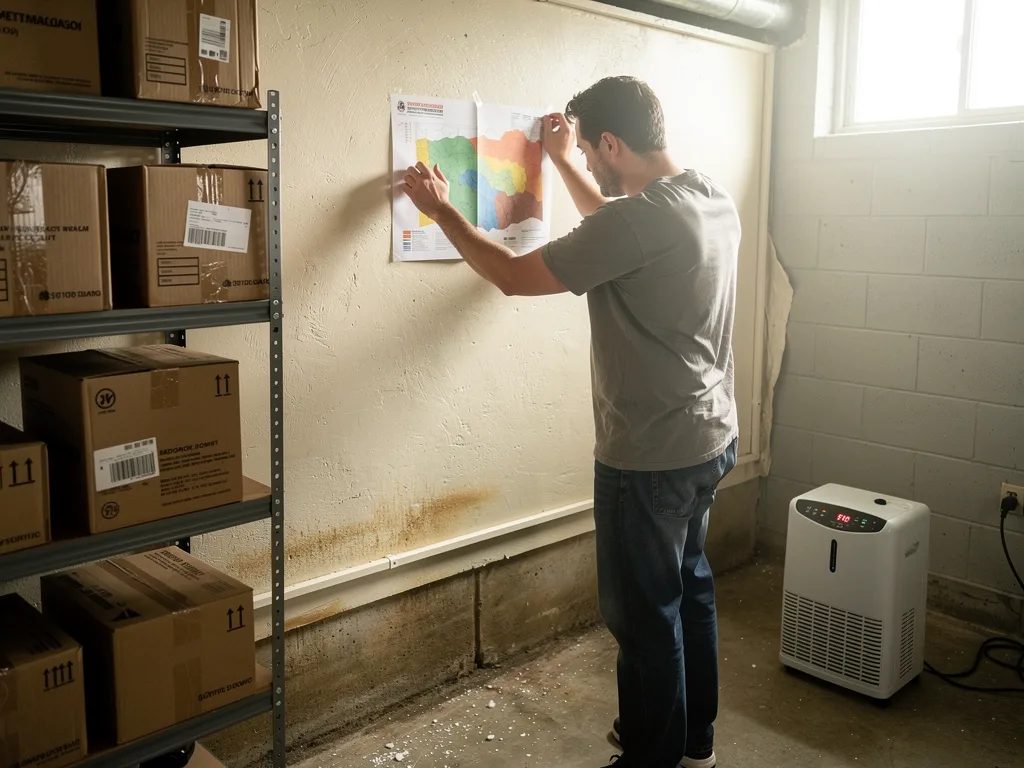
New Jersey springs bring heavier rainfall and thaw cycles that can push moisture into basements and crawl spaces. Start with gutters and downspouts. Ensure they direct water away from the foundation and clear any blockages. Check window wells and seals around doors for gaps that allow water in during storms. If you notice dampness in the lower levels after a rain, call a restoration specialist to evaluate hidden moisture before it becomes a larger issue.
Ventilation matters as weather warms. Use exhaust fans in bathrooms and kitchens to reduce humidity. If you have a sump area or a lower level that tends to stay damp, consider a temporary dehumidification plan during peak wet periods. Across New Jersey, early preparation pays off when storms are in the forecast.
Summer safeguards across the state
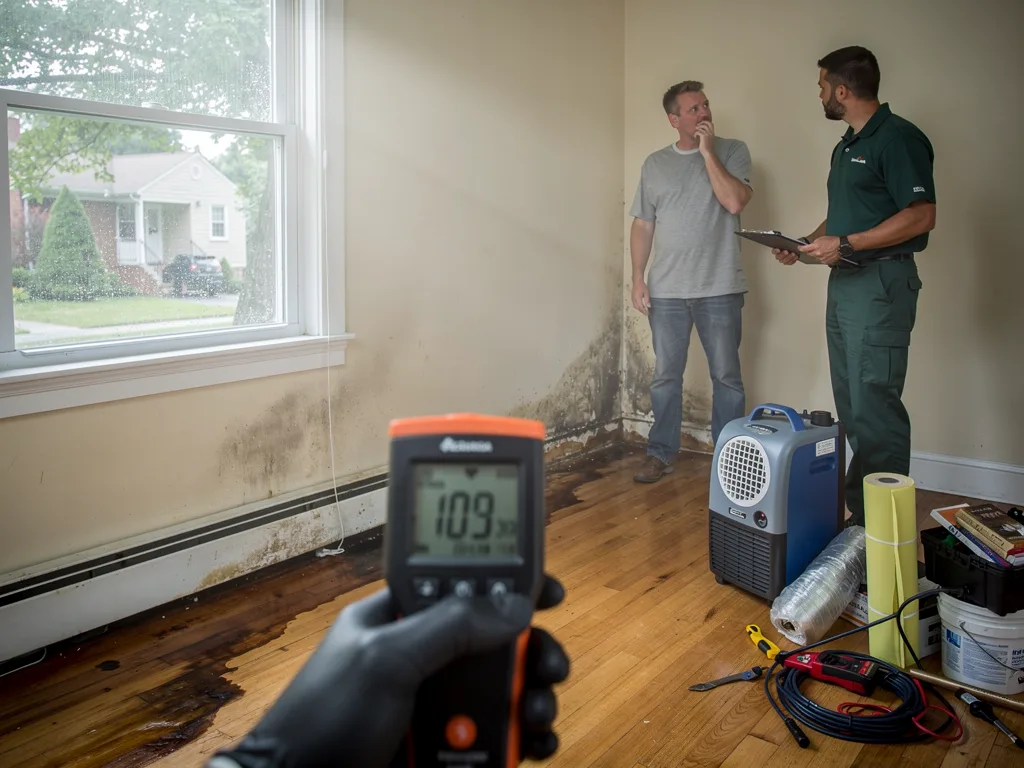
Heat and humidity can drive condensation and moisture migration. Inspect your home for gaps around doors, windows, and the foundation. Keep drainage paths clear; a minor blockage can cause water to pool near the foundation during a summer storm. If you see water marks or a musty smell in a space that got damp in the spring, a professional assessment can confirm whether there is hidden moisture needing attention.
Outdoor maintenance helps too. Clean the yard around the foundation and check landscaping slopes so they direct water away from the house. In New Jersey, keeping the exterior waterproofed and the ground graded properly reduces the chance of moisture seeping into the structure during heavy rain events.
Fall precautions before winter
Fall brings wind-driven rain and power outages that can affect drainage and interior moisture. Inspect the roof for loose shingles and ensure roofline flashings are intact. Seal gaps around vents and pipes where water could seep in during storms. Inside, check for any damp patches that appeared during the summer and discuss with a restoration specialist whether a dry-out or insulation assessment is needed before winter.
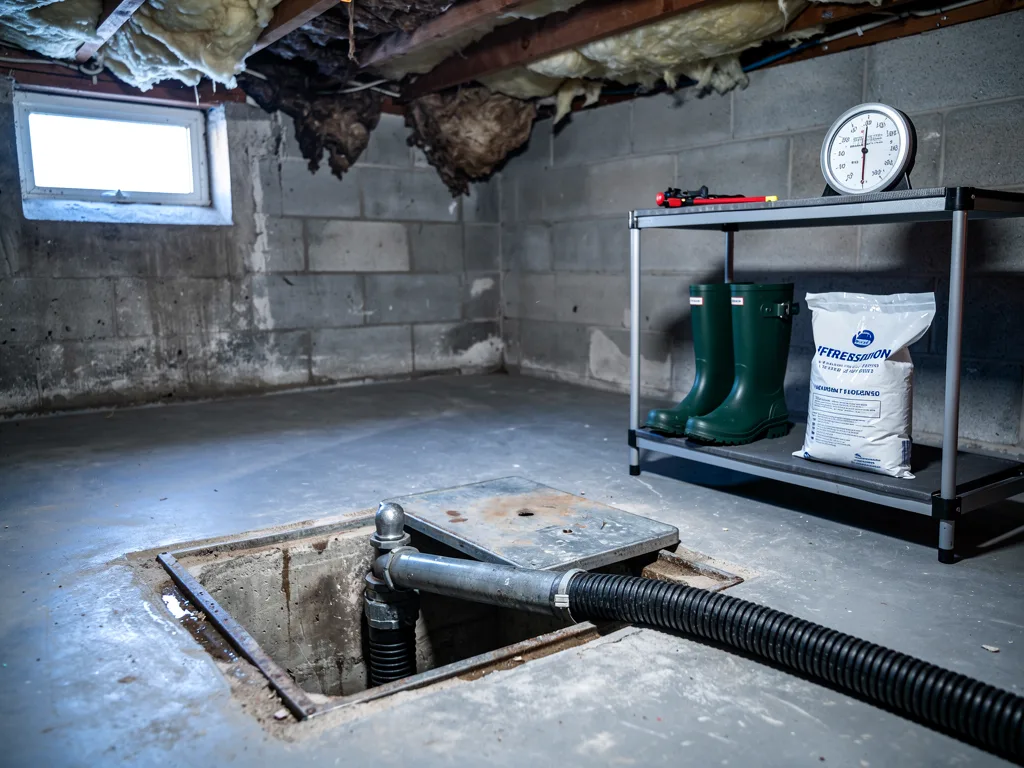
Winter readiness focuses on ice and melt. Keep sump covers clear and test any sump pump or backup system if you have one. In New Jersey homes, freezing conditions can trap moisture behind walls. A professional check can prevent this from turning into a larger problem once the ground thaws.
Ongoing habits for all year
Document notable weather events and any moisture you notice in or around the home. Temperature swings, heavy rain, and snowmelt can all drive moisture into hidden spaces. If you suspect moisture or odor that won’t go away, reach out to New Jersey Flood Damage. Across New Jersey, our crews are ready to respond with practical, statewide guidance and service when you need it.