Spotting early flood indicators
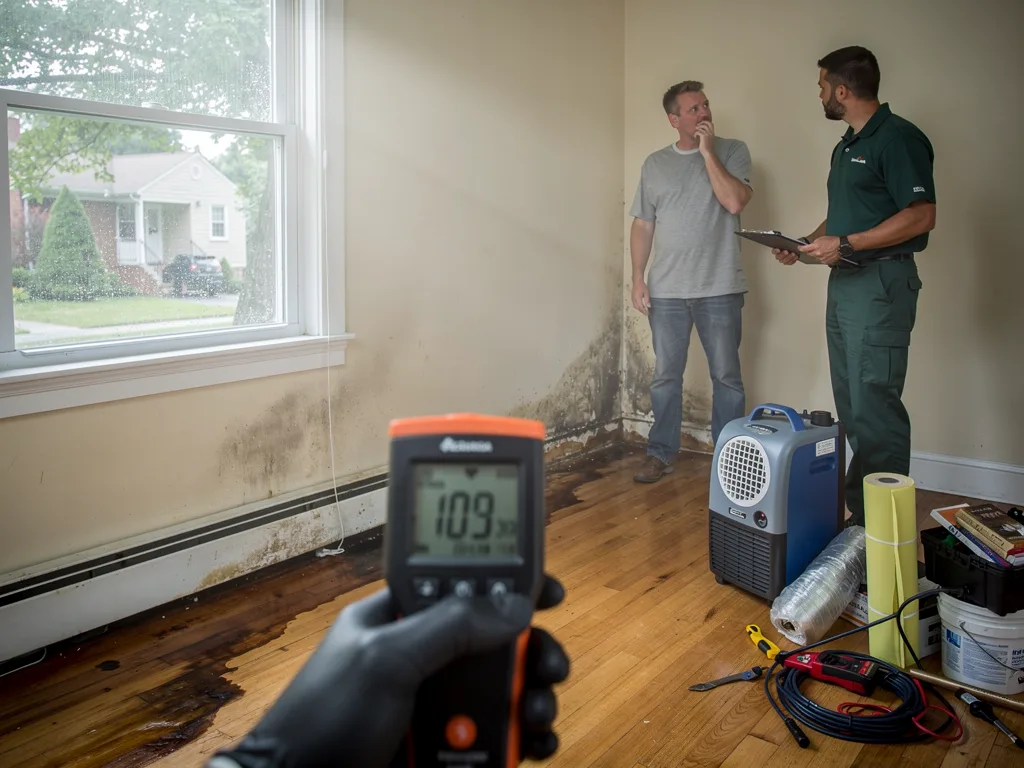
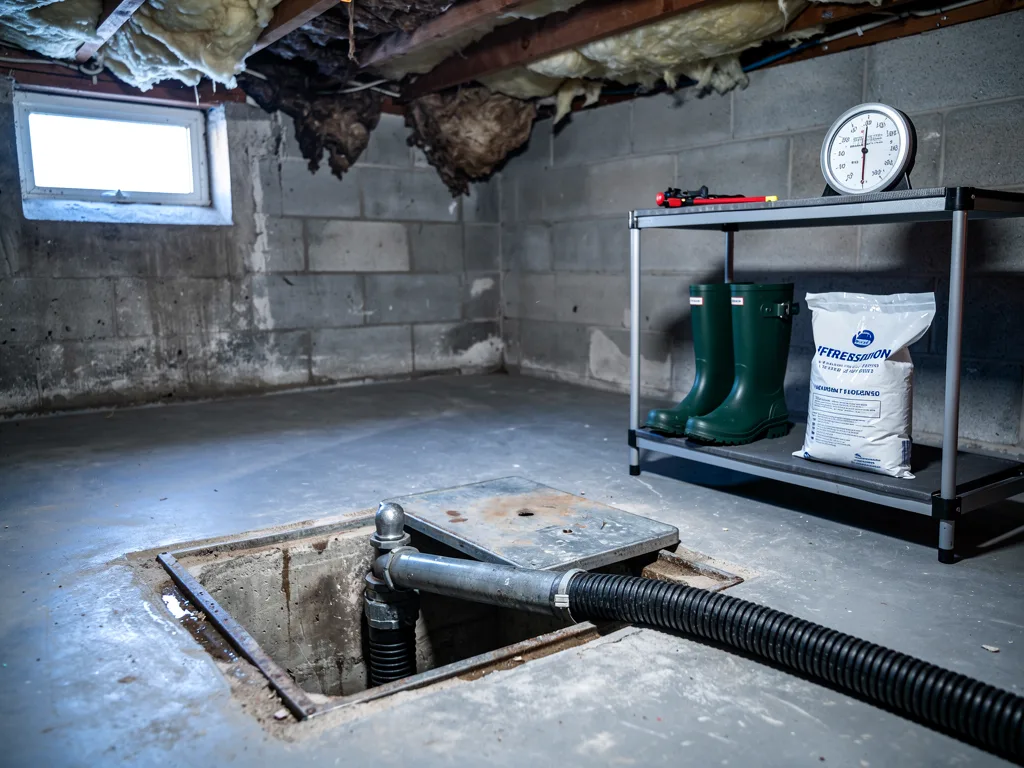
In New Jersey, flood damage can hide behind walls and under floors long before you see active water. Look for sudden changes in air feel, a persistent musty smell, or a chalky residue on surfaces after a rain. Warped baseboards, stained drywall, and soft spots in flooring are often the first signs our restoration specialists notice when we arrive for an assessment. Don’t ignore a slight discoloration or a damp feel in a basement or crawl space; these small clues can become bigger problems quickly.
Moisture tends to hide in places you wouldn’t expect. If you see condensation on windows after a storm that lasts more than a day, or if a cabinet or floorboard feels spongy, it could indicate deeper moisture behind the surface. In New Jersey homes, the combination of aging infrastructure and heavy weather can push moisture into walls, ceilings, and subfloors. Identifying these signs early helps prevent bigger issues down the line.
When you notice any of these indicators, our restoration specialists at New Jersey Flood Damage can perform a professional assessment. We use moisture meters and thermal imaging to map the extent of the issue and determine the right steps to restore the home across New Jersey.
Immediate actions you can take
Start with safety. If you see standing water, turn off the main power to the affected area and avoid electrical outlets. Remove small valuables from the floor and ventilate the space if you can do so safely. Document the damage with photos for your records and to help with insurance conversations. Do not attempt large-scale demolition yourself or move materials that may compromise the structure.
Next, contact restoration professionals. A swift call to New Jersey Flood Damage connects you with crews in every New Jersey metro, ready to respond with a practical plan. We don’t promise a one-size-fits-all solution; we assess, dry, and restore based on what the site needs. Early intervention can save flooring, walls, and insulation from irreversible damage.
What a professional assessment involves
Our restoration specialists conduct a thorough walk-through to identify visible and hidden damage. We check behind baseboards, under carpets, and in crawl spaces for moisture pockets. Tests may include moisture readings at multiple levels and a scan for mold risk. After the assessment, you’ll receive a clear, practical plan with steps, timelines, and what you can expect in terms of disruption.
Across New Jersey, it’s common to see moisture move through construction gaps after heavy rain or rapid thaw. That’s why a professional evaluation is essential. It helps you understand the scope of work and sets expectations for the restoration process.
When to call a pro versus DIY red flags
If you’re unsure about the extent of moisture, if you see staining that doesn’t scrub away, or if there is any visible mold growth, it’s time to call a restoration specialist. DIY efforts can sometimes push moisture deeper into walls or spread contamination. In New Jersey, where weather patterns vary by season, a professional assessment is the safest way to protect your home and your family.